Fixing Punctures Before They Become Blowouts
Tire Repair in Casper, WY and surrounding areas for punctures, slow leaks, or sudden pressure loss
A nail in the tread doesn't always cause immediate deflation, but it creates a slow leak that drops pressure below the sidewall's load-carrying capacity. Tire repair addresses punctures in the repairable zone of the tread by removing the object, cleaning the puncture channel, and sealing it with a plug-patch combination that bonds to the inner liner. N.E. Auto Repair inspects the puncture location and size to determine if the tire structure remains intact enough for a permanent repair.
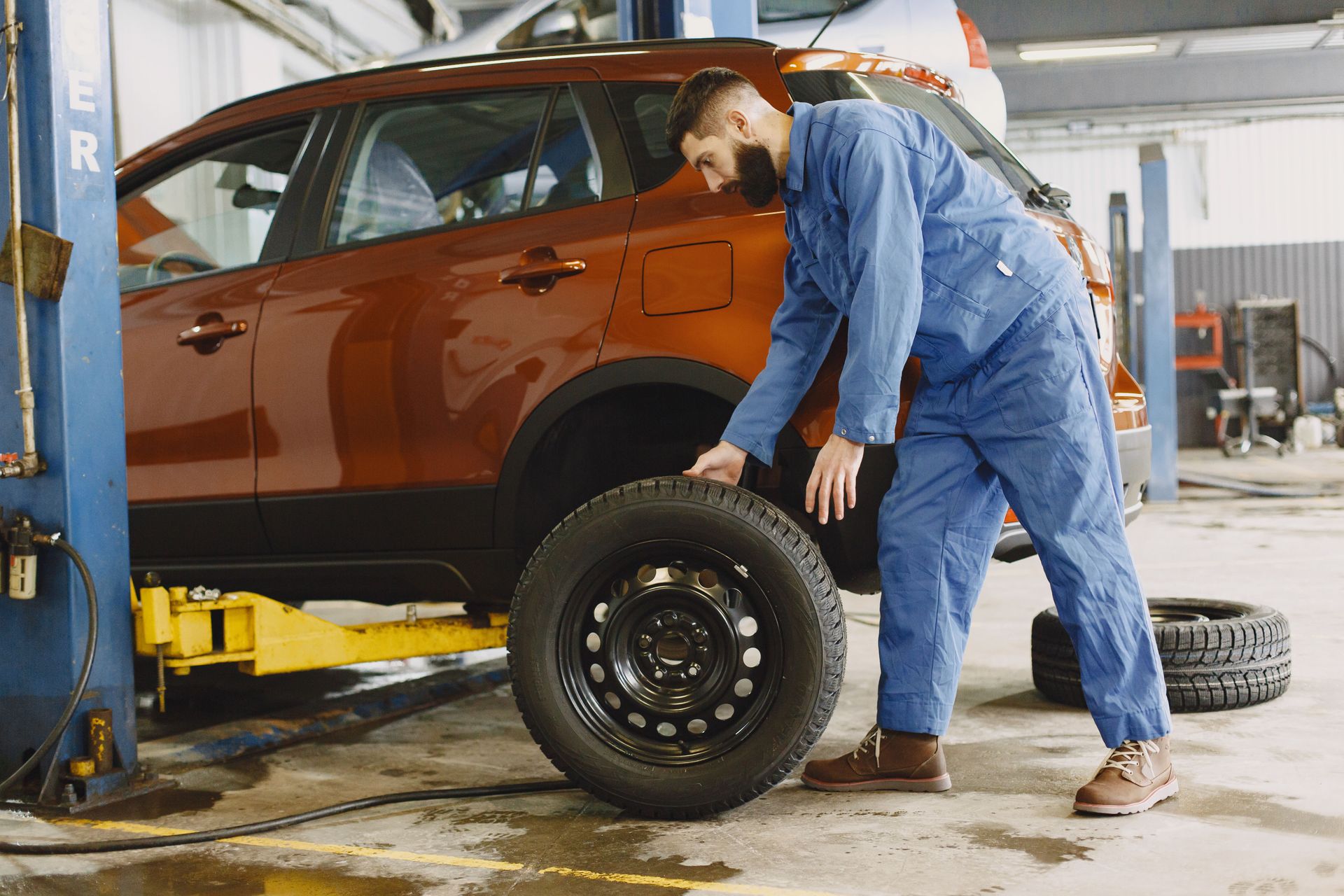
The process requires dismounting the tire from the rim to access the inner surface, since external plugs alone don't seal the liner where air actually escapes. A carbide bit roughens the puncture area, and a vulcanizing cement bonds a rubber patch with an integrated plug to the liner, creating an airtight seal that flexes with the tire. Punctures in the sidewall or shoulder can't be repaired because those areas flex too much during driving and any patch would separate under stress.
Arrange a tire inspection to locate the source of pressure loss and confirm whether the puncture location allows for safe repair.
Why Puncture Location Determines Repair Viability
Tire construction varies between the tread center and sidewall, which affects whether a puncture can hold a repair under driving loads. The tread sits over multiple steel belts that stabilize the rubber, while the sidewall flexes with only fabric plies to support it. A patch in the tread bonds to a relatively stable surface, but a sidewall patch peels away as the tire compresses and rebounds with each wheel rotation.
Once the repair cures, the tire holds air consistently and the pressure monitoring system no longer triggers warnings about gradual deflation. The steering response returns to normal because the tire maintains its intended shape instead of distorting from underinflation, and the tread contact patch distributes weight evenly across the road surface. The repaired area doesn't bulge or separate because the patch-plug combination fills the puncture channel completely and bonds to the liner with the same material composition as the tire itself.
Tires with multiple punctures close together or damage from driving on a flat can't be repaired because the internal structure may have separated from heat buildup or sidewall stress. The tire is removed and the inner surface inspected for cracks, exposed cords, or liner separation that would prevent a patch from sealing properly.
Common Tire Repair Questions
Drivers often ask about repair limits and whether certain types of damage compromise tire safety beyond what a patch can fix.
What size puncture can be repaired?
Punctures up to one-quarter inch in diameter in the tread center can be repaired with a patch-plug combination, but anything larger compromises the tire's structural integrity and requires replacement.
How long does a tire repair take?
The tire must be dismounted, the puncture cleaned and patched from the inside, then remounted and balanced, which typically takes thirty to forty-five minutes for a single tire.
Can a tire be repaired more than once?
Multiple repairs are acceptable if the punctures are spaced far enough apart that the patches don't overlap, but three or more punctures usually indicate it's time to replace the tire regardless of tread depth.
Why can't sidewall punctures be repaired?
The sidewall flexes constantly during driving and lacks the steel belt reinforcement found in the tread, so any patch applied there will separate under normal load and heat cycles.
What happens if I keep driving on a slow leak?
Underinflation causes excessive heat buildup in the sidewall, which can separate the internal plies and create a bulge or weak spot that leads to sudden failure even after the puncture is eventually repaired.
N.E. Auto Repair removes the tire to inspect both the puncture site and the inner liner for hidden damage that might not be visible from outside. Schedule a repair evaluation to determine whether the tire structure remains sound enough for a permanent fix or requires replacement.