Fresh Lubrication That Prevents Engine Wear
Oil Change in Casper, WY and surrounding areas for mileage intervals, oil life monitoring alerts, or dark, gritty fluid
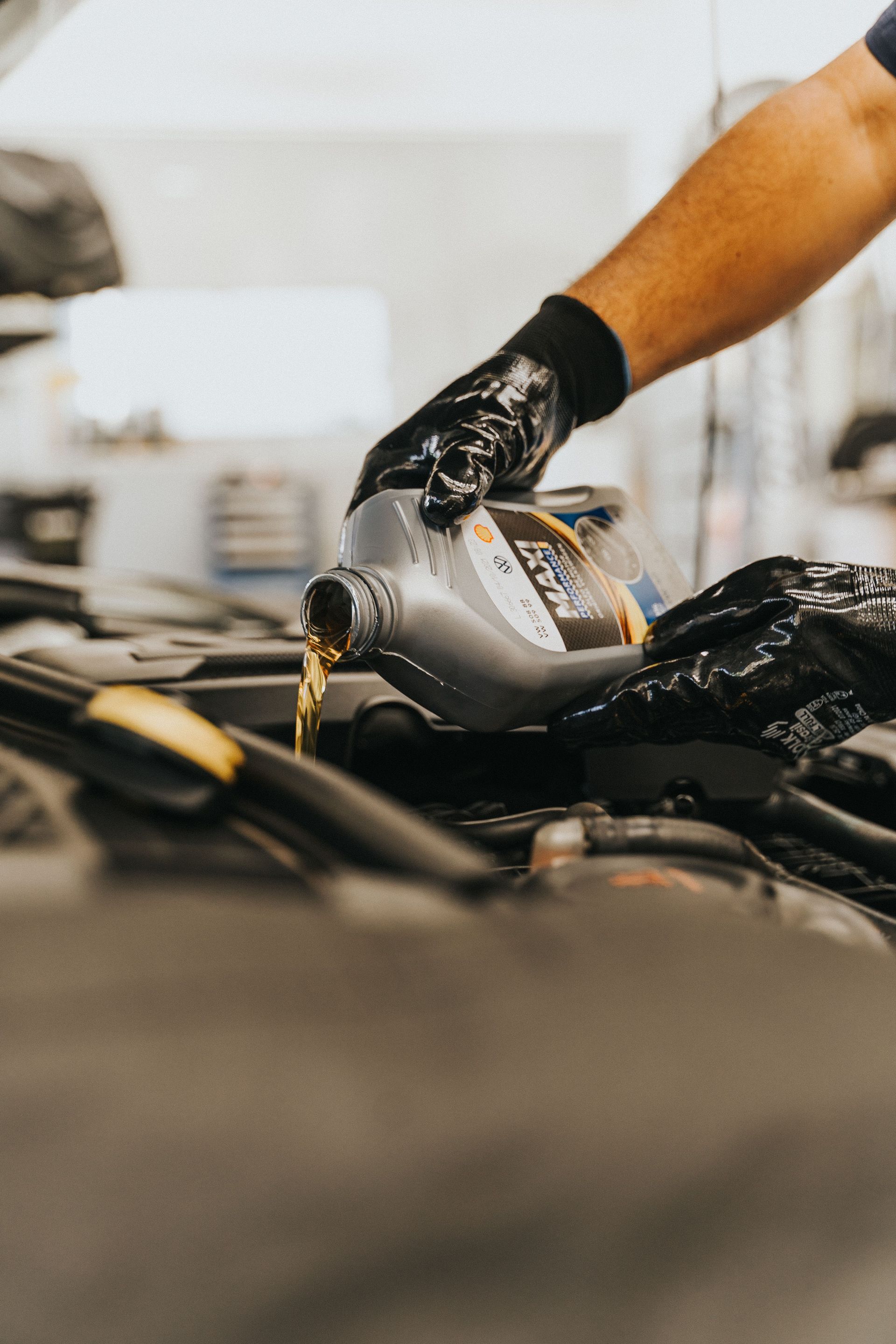
Engine oil breaks down from heat cycles and combustion byproducts that contaminate it with carbon particles and fuel dilution. An oil change removes the degraded fluid and replaces it with fresh oil that maintains the viscosity needed to separate moving metal surfaces inside the engine. When oil loses its protective film strength, components like camshaft lobes and crankshaft bearings wear faster because metal-to-metal contact increases friction and heat. N.E. Auto Repair drains old oil completely, replaces the filter to remove circulating contaminants, and refills the system with the viscosity grade specified for your engine's tolerances.
The process involves warming the engine so the oil flows freely from the pan, removing the drain plug to empty the crankcase, and unscrewing the old filter that traps particles too small to settle in the pan. A new filter is installed with a thin coating of fresh oil on the gasket to prevent leaks, and the pan plug is torqued to specification with a new crush washer that seals against the threads. The correct oil grade is added based on the dipstick capacity marking, and the level is verified after the engine runs briefly to fill the filter and galleries.
Request an oil change before the monitoring system alerts you to low oil life, so the fluid is replaced while it still maintains adequate lubrication properties.
How Fresh Oil Protects Internal Components
Oil's primary function is maintaining a pressurized film between surfaces that slide or rotate against each other thousands of times per minute. Fresh oil holds its viscosity under the heat generated in the combustion chamber and bearings, while degraded oil thins out and allows increased clearance between parts. The additives in new oil suspend contaminants so they circulate to the filter instead of settling on surfaces as sludge.
After the service, the oil pressure gauge reads steady because the pump moves fluid that hasn't lost viscosity to heat and shearing forces. The engine runs quieter because the hydraulic lifters maintain proper valve lash with clean oil that compresses consistently, and startup wear decreases because the oil film doesn't drain away from bearings overnight when the correct viscosity is maintained. The oil appears amber on the dipstick instead of black, and it doesn't smell like fuel from blow-by gases that dilute old oil over time.
Oil change intervals depend on driving conditions, with frequent short trips causing faster contamination from condensation that doesn't evaporate during brief warm-up cycles. The filter is always replaced during an oil change because a clogged filter forces oil through the bypass valve, sending unfiltered fluid through the engine and accelerating wear even if the oil itself is fresh.
Questions About Oil Service Timing
Oil change intervals vary based on oil type and driving patterns, so these answers clarify when the fluid needs replacement regardless of what the sticker says.
What's the difference between conventional and synthetic oil?
Synthetic oil is chemically engineered for consistent molecular size, which maintains viscosity longer under heat stress and extends the interval between changes compared to refined crude oil.
How does the oil life monitoring system calculate remaining life?
The system tracks engine revolutions, operating temperature, and cold starts to estimate how much the oil has degraded, providing a more accurate interval than fixed mileage counts.
Why does oil turn black so quickly?
Detergent additives suspend combustion soot and carbon particles in the oil so they circulate to the filter instead of forming deposits, which darkens the fluid even when it's still protecting the engine.
Can I switch between oil types?
You can switch from conventional to synthetic or back without harming the engine, since both oil types are compatible and won't cause seal damage or sludge when mixed during the transition.
What happens if I go past the recommended interval?
Extended intervals allow acid buildup from combustion byproducts to corrode bearing surfaces, and the oil thickens with contaminants until it can't flow through small passages that feed the valve train and turbocharger.
N.E. Auto Repair verifies the correct oil grade for your engine's specifications and checks for leaks or seepage that might indicate failing gaskets needing attention. Schedule your next oil service based on the monitoring system or mileage interval to keep internal components protected between changes.