Stopping Power That Responds When You Need It
Brake Repair and Replacement in Casper, WY and surrounding areas for delayed response, grinding noise, or pedal changes
Brake components wear at different rates depending on driving habits and the weight they handle with each stop. N.E. Auto Repair performs brake repair and replacement to address friction material loss, rotor damage, and hydraulic issues that affect stopping distance and pedal feel. When brake pads wear below the minimum thickness or rotors develop grooves from prolonged metal-to-metal contact, the system no longer converts motion into heat efficiently.
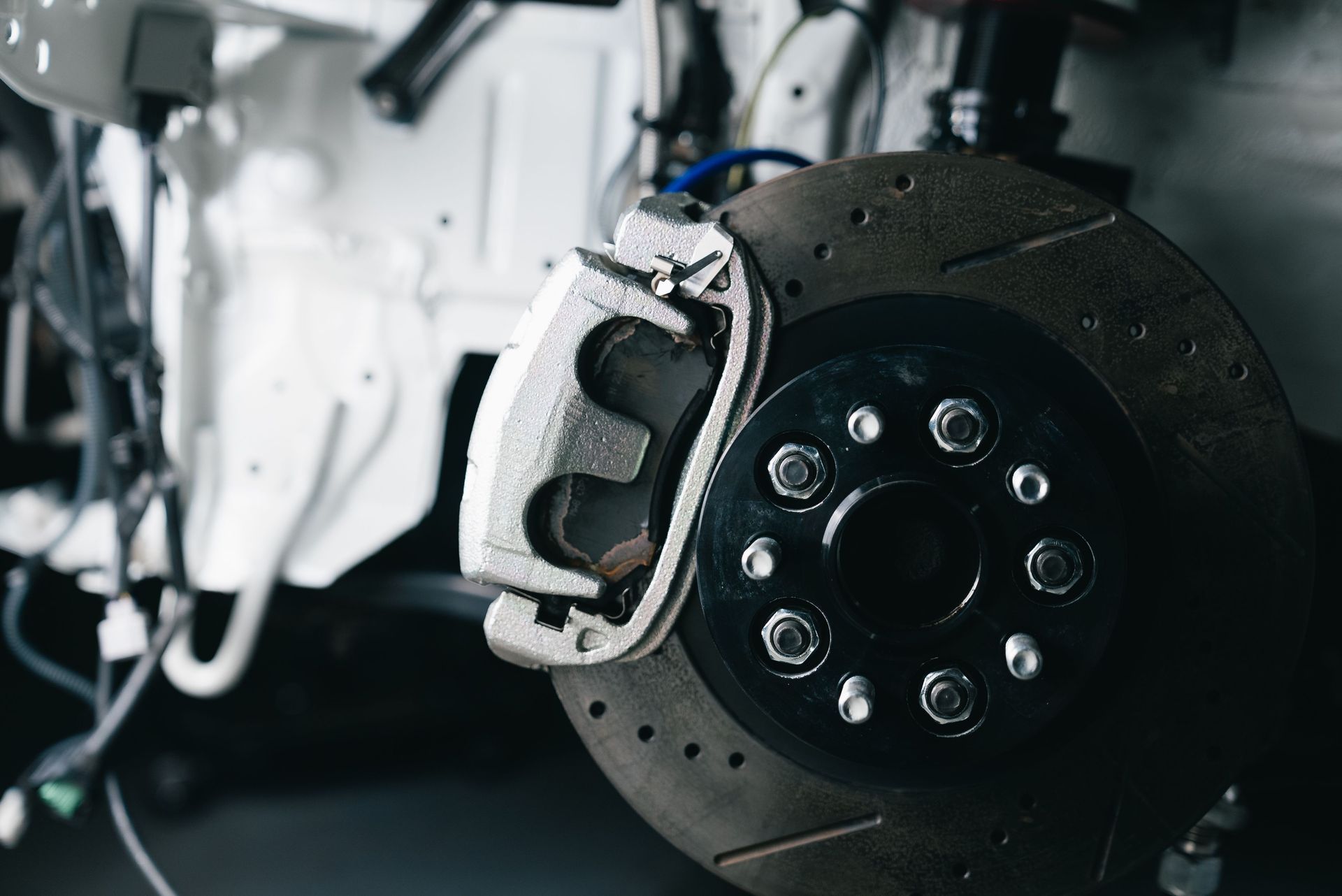
The service involves measuring remaining pad thickness with calipers, inspecting rotor surfaces for scoring or warping, and testing hydraulic pressure to identify leaks in lines or calipers. Rotors are either resurfaced to restore a flat contact area or replaced if they've been turned past the minimum thickness specification stamped on the hub. New pads are installed with hardware that prevents vibration, and the caliper slides are cleaned and lubricated so the pads retract fully after each stop.
Schedule a brake inspection to measure current pad thickness and rotor condition before metal-to-metal contact begins.
What Happens to Braking Performance After Service
Brake work restores the friction surface between pad material and rotor metal, which directly affects how quickly kinetic energy converts to heat. Fresh pads with full-thickness friction material grip evenly across the rotor face, and resurfaced rotors eliminate the grooves that cause pulsation through the pedal. The caliper pistons compress the pads with uniform pressure once slides move freely and hydraulic seals stop leaking.
After the work finishes, the pedal sits higher in its travel and requires consistent pressure to stop the vehicle without sinking or requiring extra pumping. The grinding or squealing stops because the wear indicators no longer contact the rotor, and the steering wheel remains steady during braking instead of vibrating from warped rotors. Stopping distances return to the manufacturer's specifications because the pads and rotors work together as designed rather than one compensating for damage in the other.
The service includes checking brake fluid condition, since moisture absorption lowers the boiling point and can cause vapor lock under repeated hard stops. Contaminated fluid appears dark or cloudy and is flushed from the system through bleeder valves at each wheel. Master cylinder output is verified to confirm it maintains pressure without internal leakage that would cause gradual pedal fade.
What Drivers Ask About Brake Service
Brake concerns often involve noises, pedal changes, or uncertainty about service intervals, so these answers address the mechanical reasons behind common symptoms.
What causes the grinding noise when I brake?
Grinding happens when the friction material wears completely away and the metal backing plate contacts the rotor directly, creating grooves that require rotor replacement rather than resurfacing.
How do you know if rotors need replacement or just resurfacing?
Rotors are measured with a micrometer and compared to the minimum thickness specification stamped on the casting; if they're within specification and the surface damage is shallow, they're resurfaced on a lathe to restore flatness.
Why does the pedal feel soft or spongy?
A soft pedal indicates air in the hydraulic lines or a fluid leak that prevents full pressure buildup, requiring bleeding or component replacement to restore firm pedal response.
What makes brake pads wear faster on some vehicles?
Heavier vehicles generate more heat during stops, and frequent city driving with repeated braking cycles wears pads faster than highway driving where momentum is maintained longer between stops.
When should brake fluid be replaced?
Brake fluid absorbs moisture over time, lowering its boiling point and causing corrosion inside the hydraulic components, so it's typically replaced every two to three years regardless of mileage.
N.E. Auto Repair provides detailed measurements of remaining pad thickness and rotor condition so you understand what components need attention now versus what can wait. Request a brake system evaluation to receive specific measurements and service recommendations based on current component wear.